
Radio Optimization Simulator (ROS)
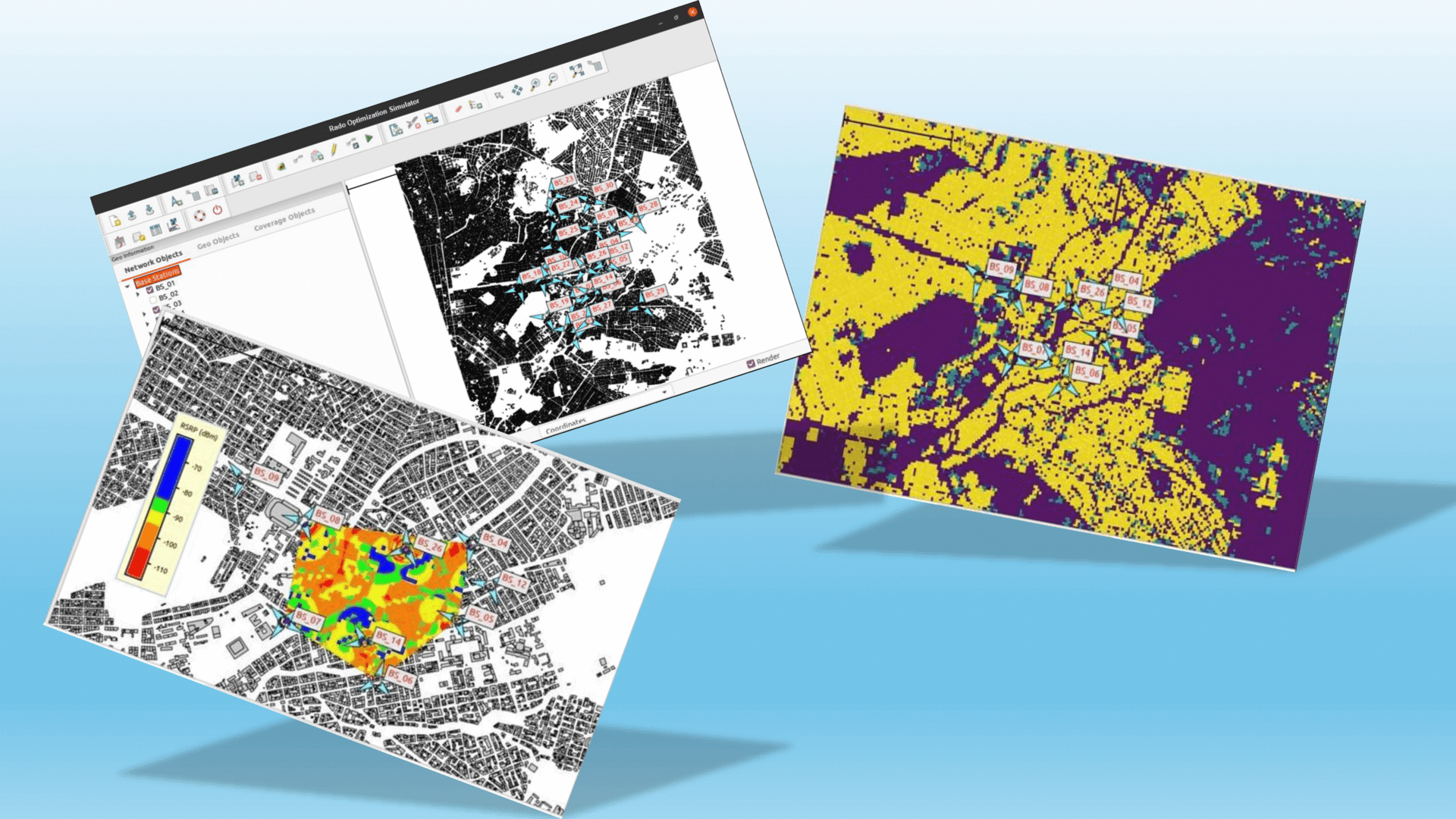
SYINTEC has recognized the importance and complexity of radio network optimization in current and future networks. In order to address this niche market, SYINTEC has developed a Simulator that optimizes mobile radio networks. It consists of four main components that are implemented utilizing open software:
- the Graphical User Interface (GUI)
- the Radio Network Planning Tool (RNPT)
- the Radio Network Optimization Tool (RNOT)
- the Database (DB)
The advantages offered include:
- Open extensible architecture and implementation
- The in-house and modular design allows adaptation on a variety of tasks and versatile applications.
- Can serve as a digital twin of a radio network (for example to test applicable optimization approaches)
SYNITEC plans to further develop this tool by adding machine learning capabilities in order to enhance and fully automate the radio network optimization process.
EMF simulator
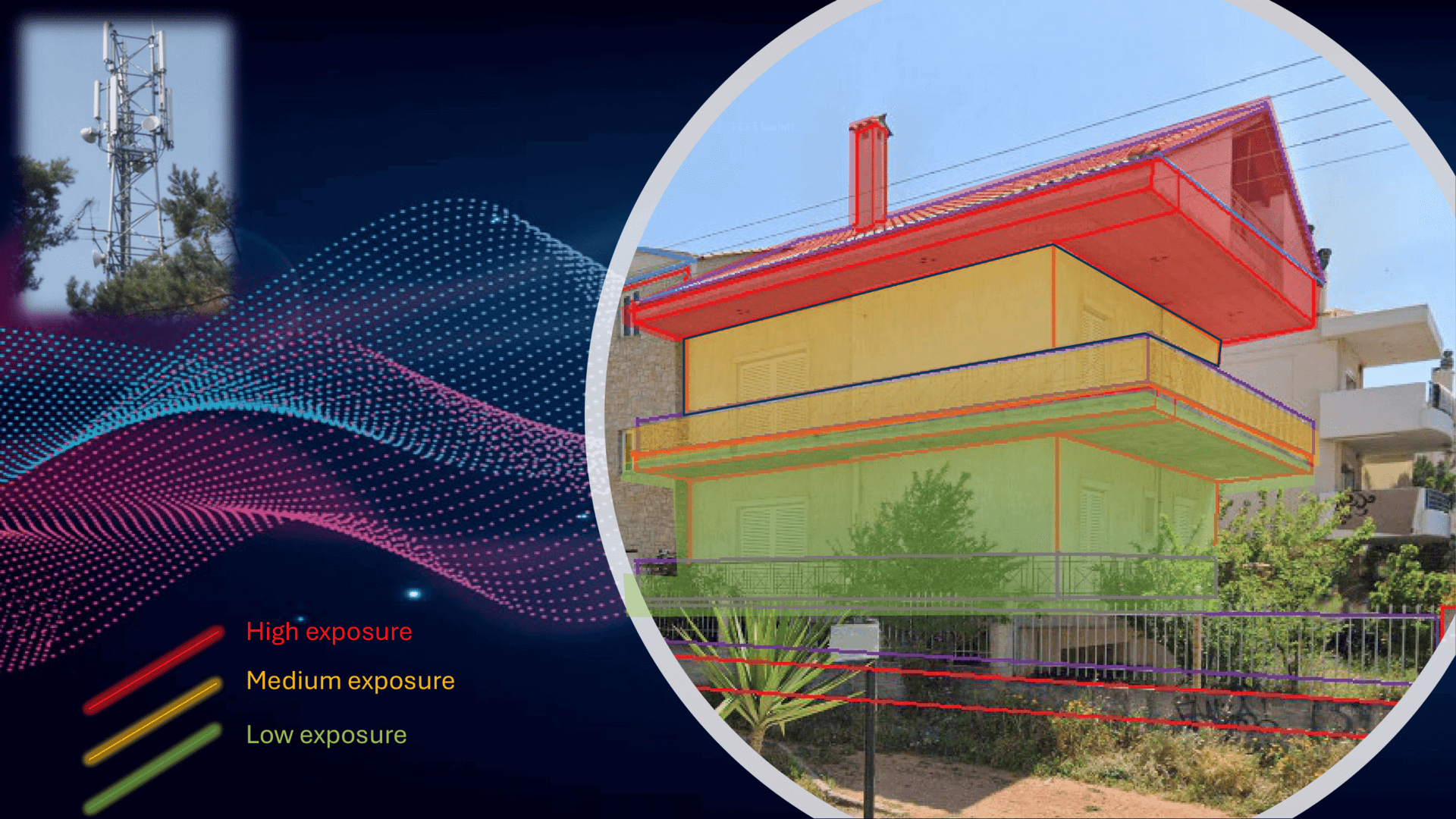
An innovative integrated geographical system for accurate calculation of the surface power density of the electromagnetic field at every point of the three-dimensional space in the neighboring area of a Mobile Base Station or any high-frequency signal emission point
The precise estimation of Electromagnetic Field guides the wireless service providers to configure their radio system parameters in the best possible way to offer the optimal radio coverage, while ensuring that radiation limits at points accessible to citizens stay below the limits. In addition, it facilitates in a transparent way the responsible authorities to check the compliance of emission levels to the maximum allowed thresholds.
EMF simulator is currently under development.
RF frequency planning for indoor design (Wi-Fi)
Developed for complex and high-capacity indoor environments to minimize intra-system interference, thus improving Network performance, signal quality and user perception.